Peace is built, not granted.

The NYU Peace Research and Education Program works with universities, communities, and policymakers to build the knowledge, partnerships, and leadership that peacebuilding and violence prevention require.
The moment
61+
Armed conflicts worldwide — the highest number in eight decades.
(Uppsala, 2024)
1 in 5
Children are living in or fleeing areas affected by armed conflict.
(UN Security Council, 2026)
AI
Artificial intelligence and emerging technologies are reshaping how violence is planned, conducted, and confronted.
↓
Multilateral institutions are being defunded, disregarded, and dismantled.
At the same time, the people and institutions closest to violence continue to build peace.
PREP works alongside these partners, making relevant tools and evidence accessible and usable in support of informed decision-making and locally grounded approaches to peacebuilding and violence prevention.
Universities are peace infrastructure
They outlast governments, weather conflicts, and remain as core parts of their societies when others lose funding and leave.
PREP works with universities and communities in violence-affected contexts to research, teach, and convene stakeholders on peace and violence prevention, generating knowledge that can be translated into policy decisions.

Three pillars that reinforce one another
Education
We help universities in violence-affected societies build and strengthen Peace Studies programs, research capacity, and standing in their own communities.
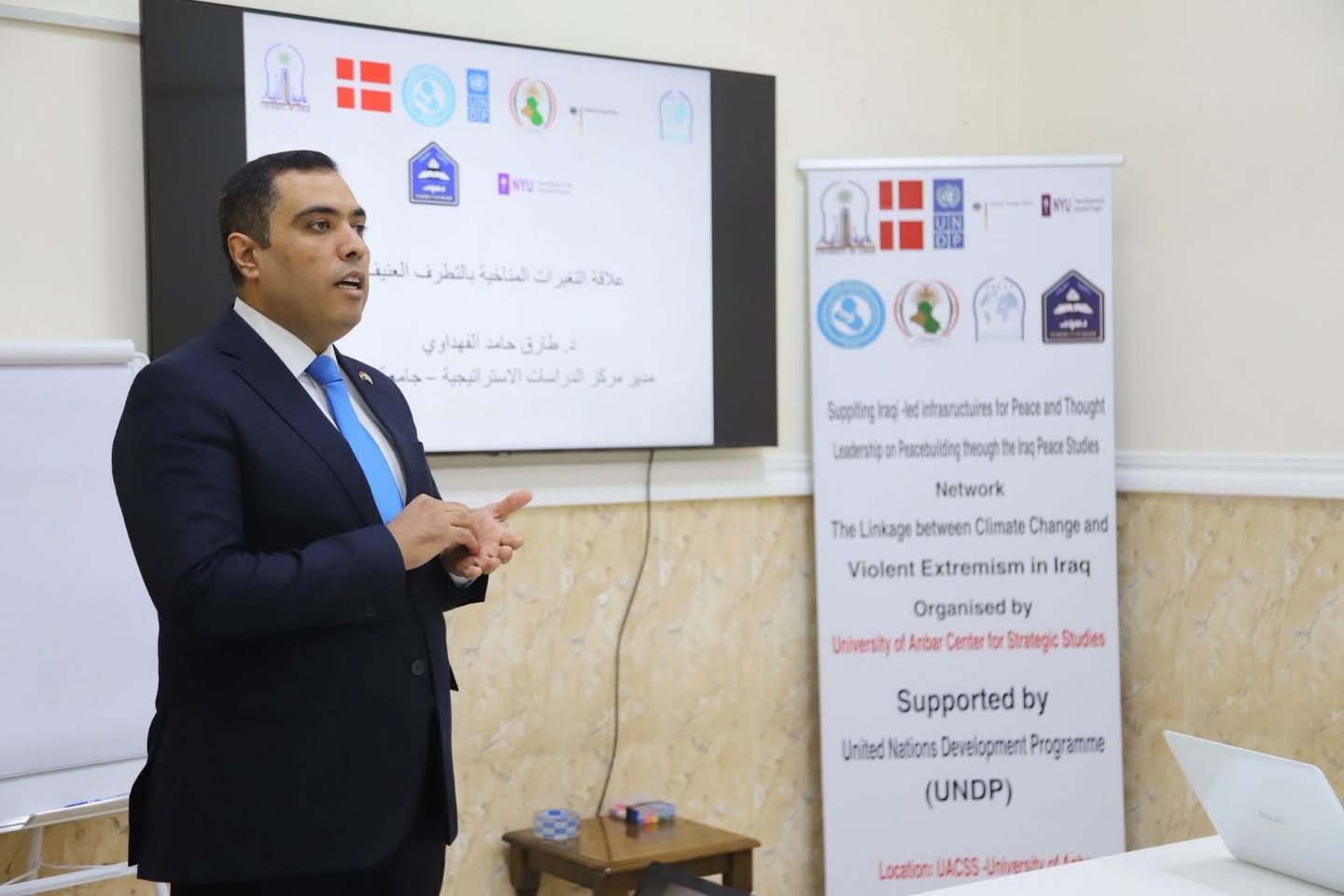
In practice: More than a decade of participatory action research with the University of Duhok and the Iraqi-led Iraq Peace Studies Network.
Innovation
We work to ensure AI and emerging technologies serve as catalysts for peace, building peacebuilding principles into their design and oversight from the outset.
In practice: Participatory governance frameworks and AI tools that support peacebuilding, co-designed with the people most affected by AI's extractive defaults.

Policy
We connect research to decision-making so that violence prevention and peacebuilding policies are evidence-based, responsive to real needs, and effective in delivering measurable results on the ground.
In practice: Help Member States and their multilateral partners turn prevention and peacebuilding into action by developing effective, coherent strategies that address the underlying causes of violence.
Recent work advancing peace
-
![]()
The Philippines' first indigenous data-sovereignty law
Work with Kalinga State University and indigenous partners contributed to the Digital Arang, a digital repository of Kalinga cultural heritage, and a Cordillera province-wide ordinance on indigenous knowledge and AI.
-
![]()
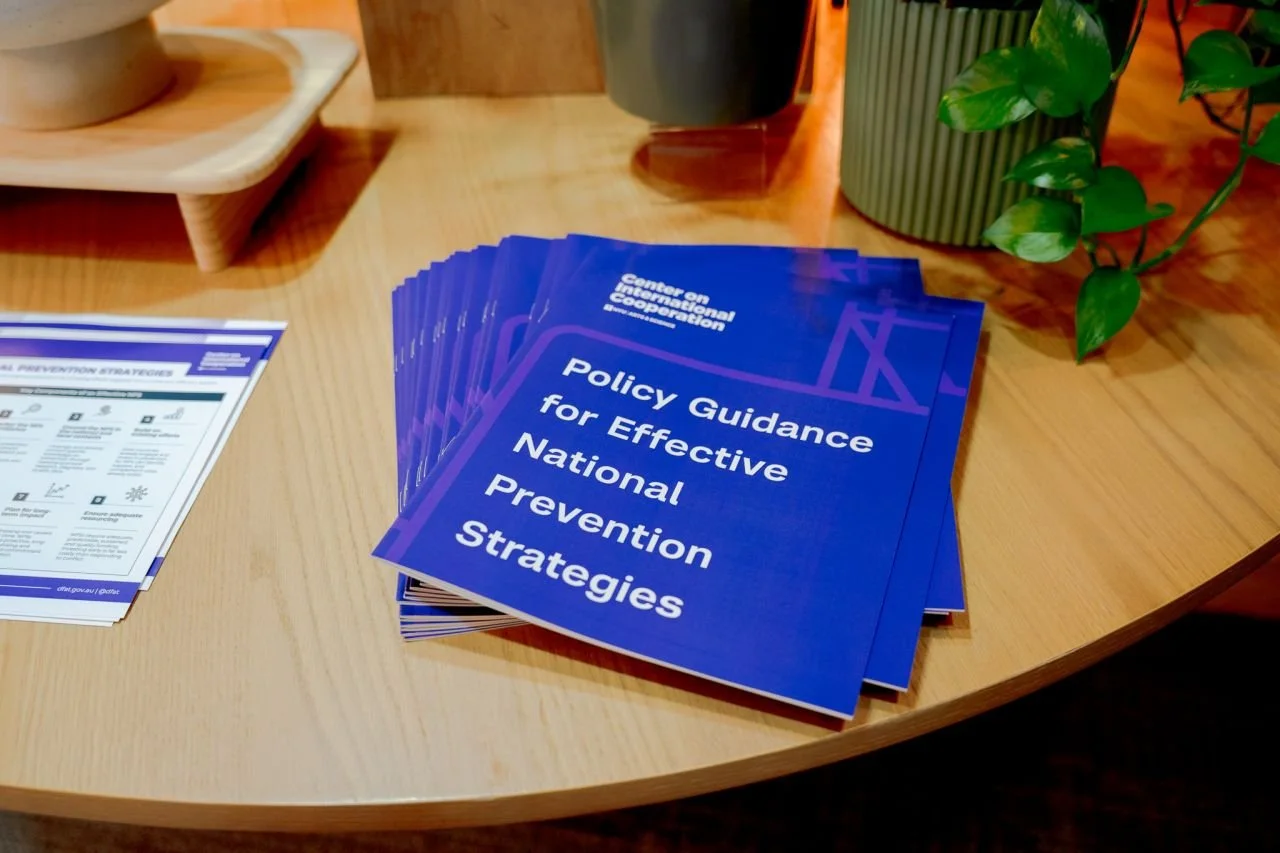
National Prevention Strategy (NPS) Guidance
Drawing on interviews and convenings with practitioners involved in the design, implementation, and evaluation of NPS worldwide, the Policy Guidance for Effective National Prevention Strategies aims to support countries in designing NPSs and better aligning international support behind these efforts.
-
![]()
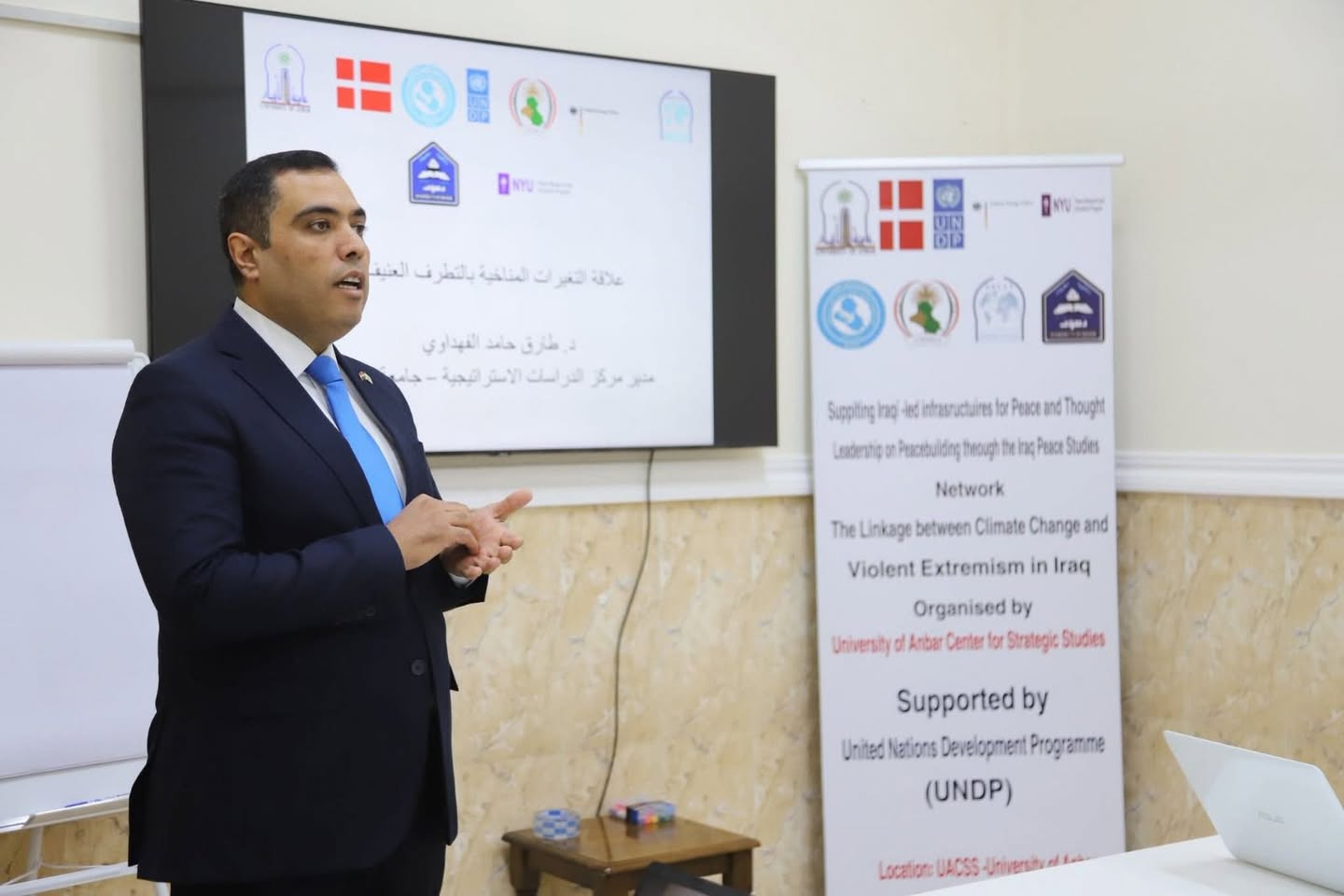
An Iraqi-run peace studies network
Founded by faculty from four universities and now led by an Iraqi coordinating committee, the Iraq Peace Studies Network has streamlined peace studies curriculum and produced five field studies on violent extremism, local peace committees, and conflict in Ninewa and Kirkuk.
-
![]()
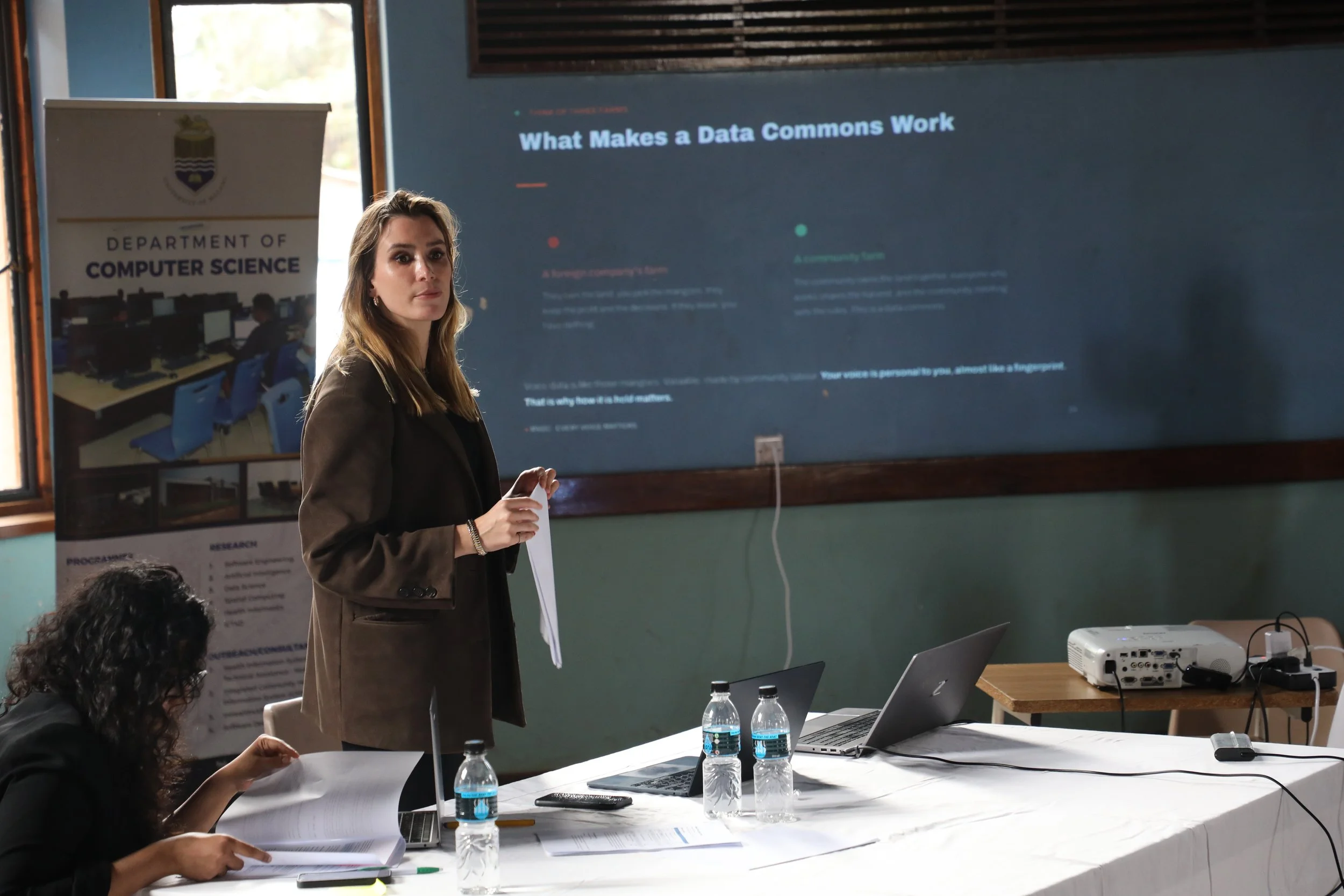
A crisis-reporting system in Chichewa
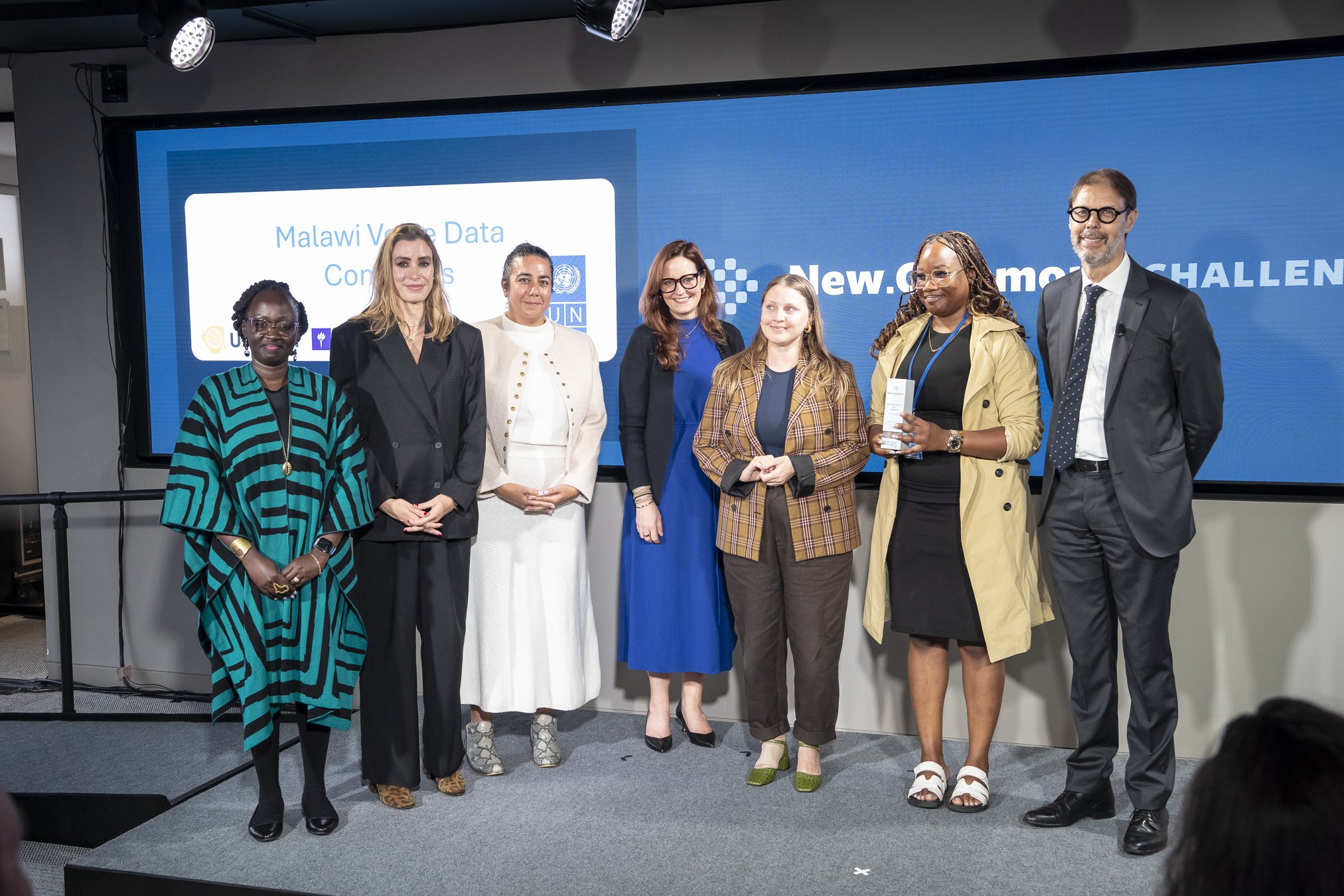
The Malawi Voice Data Commons — a community-governed Chichewa voice data commons and reporting tool- is the inaugural Microsoft/GovLab New Commons Challenge and is now in implementation with the Malawi Peace and Unity Commission, Ushahidi, UNDP Malawi, the Mozilla Foundation, and three Malawian universities.